The MICS project – Made in Italy Circolare e Sostenibile – was developed within Mission 4 "Education and Research" of the National Recovery and Resilience Plan (PNRR), funded by the Ministry of University and Research (MUR).
The initiative aims to foster the creation and consolidation of innovation ecosystems on a national scale, by strengthening collaborations between universities, research centers, and companies.
MICS focuses specifically on enhancing and sustainably transforming the Italian manufacturing excellence, promoting circularity, eco-design, digitalization, and the ecological transition of industrial processes.
The partnership brings together 24 universities, 9 public research organizations, and over 30 industrial and institutional partners, coordinated by the Politecnico di Milano, to address the technological and environmental challenges of strategic Made in Italy supply chains, including: fashion and textile system, furniture and design, automation and mechatronics, digital and sustainable manufacturing.
The MICS project is funded by the Ministry of University and Research (MUR) through the PNRR NextGenerationEU funds, Mission 4 Component 2, Investment Line 1.3, with a total budget of €114,500,000.3 entirely allocated to research support.
The project is scheduled to last 36 months, starting in 2023 and ending in 2026.
MICS aims to develop enabling technologies for sustainable Made in Italy, fostering the ecological transition of companies through the integration of digital solutions and innovative materials, and creating collaborative ecosystems among universities, research centers, and industry.
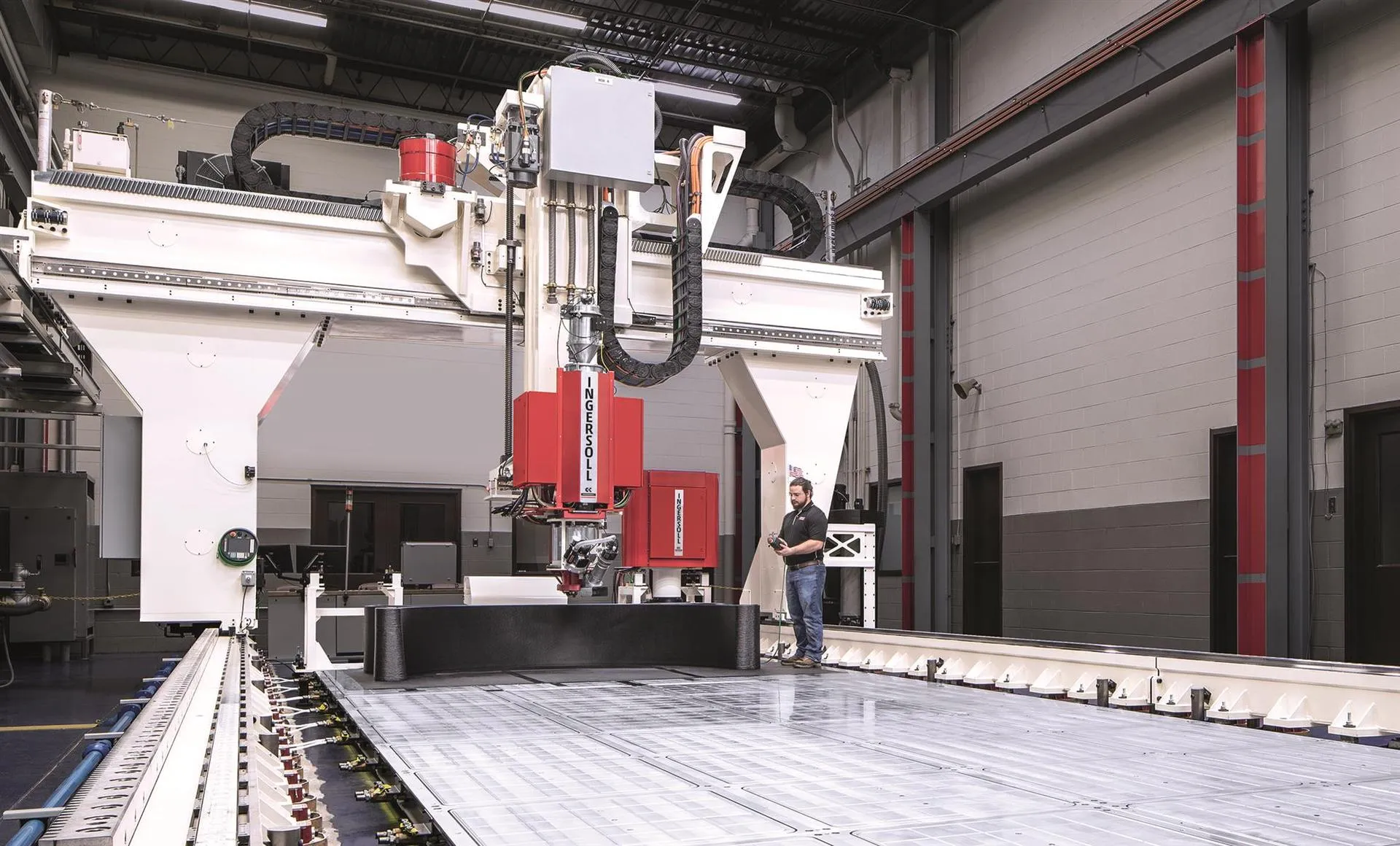
The Camozzi Group is involved in three of the eight thematic areas, called “Spokes”, whose projects range from robotics to mechatronics, to advanced materials and implementations based on additive manufacturing of future components, and aim to have sustainability outcomes, for example in terms of Reduction in the use of raw materials, use of sustainable materials, zero-waste additive manufacturing solutions, reduction in energy consumption and improvement of health and safety for operators.